i've witnessed firsthand the profound power of art to amplify the silenced narratives of the black community. the weight of historical systemic oppression, from the deliberate erasure of black artists in canonical narratives to the visual perpetuation of harmful stereotypes, has profoundly impacted the ability of black artists to express their authentic selves. however, a powerful counter narrative is emerging. "reclamation," as i define it, is an active, ongoing, and multifaceted process through which black artists assert agency, visibility, and cultural representaion . contemporary black artists are at the forefront of this movement, courageously challenging established art world paradigms and dismantling oppressive structures . this reclamation involves not only the recovery of lost or marginalized histories but also a critical re-engagement with the visual language used to define and often denigrate blackness.
artists are excavating archives, reinterpreting historical narratives, and employing a range of artistic strategies to disrupt and subvert these harmful representations . through this process, they create new aesthetic vocabularies and visual paradigms that affirm the complexity and dynamism of black identity and experience . black fashion designers have played a crucial role in reclaiming and redefining stereotypes within the black art diaspora . this reclamation is a powerful act of resistance and self-assertion . designers have historically been faced with the appropriation of their cultural expressions, often with negative stereotypes attached, being used without credit or understanding . this is particularly significant given fashion's role as a potent signifier of identity, culture, and social status.
black designers navigate a complex terrain where their creations can be both celebrated and exploited, often simultaneously . they are reclaiming not just the aesthetics of black style but also the narratives and histories embedded within these forms, challenging the industry's tendency to tokenize or appropriate black creativity without acknowledging its source or significance . by asserting ownership over their designs and creative visions, these designers are contributing to a broader movement of black self determination and cultural empowerment . however, it's crucial to acknowledge that black art is a diaspora, a vibrant and diverse expression that transcends any single medium or form . the dynamic interplay between fashion and fine arts recognizes the broader context of artistic reclamation within the black community, and the importance of remembering that the diaspora can not be limited.
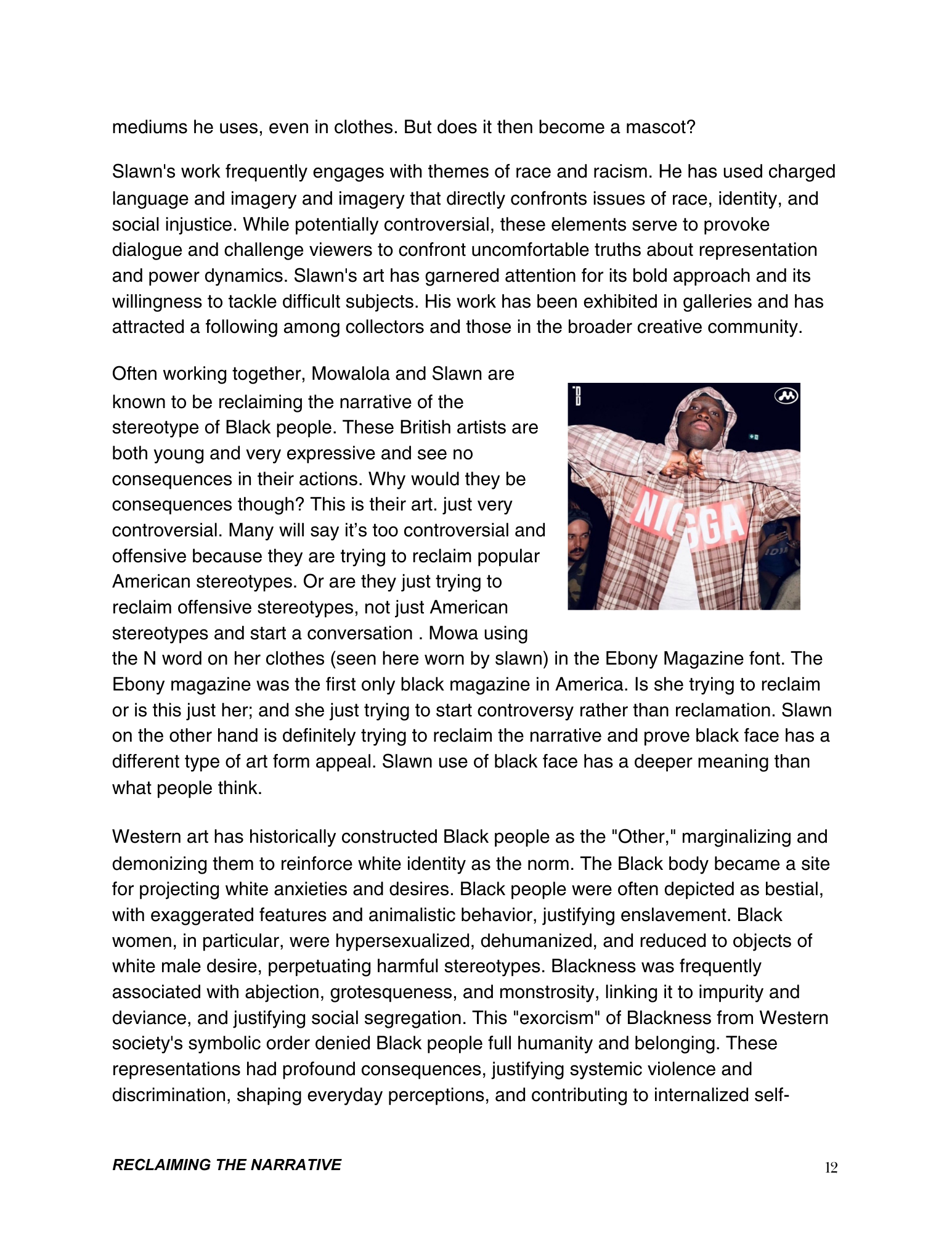
the concept of "value" in art often shifts when we look at it through the lens of reclamation and survival rather than just aesthetics. for many black artists, representation isn't a choice or a stylistic trend; it is a vital necessity born out of a history where their bodies and stories were either erased or distorted by the white gaze. in this context, black art carries an added layer of purpose because it is tasked with the heavy lifting of dismantling centuries of propaganda and systemic silence. every brushstroke or garment becomes a political act of asserting existence in a world that historically tried to deny it.
this makes the work inherently layered. while much of western or "white" art has had the privilege of being "art for art's sake" focusing on form, color, or personal expression without the burden of defending its right to exist; black art often functions as a double edged sword. it must be aesthetically compelling while simultaneously navigating the "double consciousness" described by w.e.b. du bois. it is art that speaks to its own community while also confronting and correcting the outsider's perspective. the value here lies in its transformative power; it doesn't just sit on a wall, it actively rewrites history and creates space for future generations to see themselves as human and complex.
furthermore, the "value" is tied to the stakes of the work. when artists like tremaine emory or telfar clemens create, they are often using their platform to challenge exclusive power structures that have kept black creativity at the margins while simultaneously appropriating its "cool." there is a profound depth in art that carries the weight of a diaspora's resilience. it isn't just about beauty; it’s about the labor of reclaiming our culture and turning a history of erasure into a vibrant, living future. this sense of urgency and the necessity of the message is the reperations we give our selves, because who the hell gon do it for us.